An electrical charge does the work
The coating is given an electrical charge as it leaves the gun, and the properly grounded metal surface attracts it.
1248 Antioch Pike · Nashville, TN
Core Specialty
Electrostatic painting uses an electrical charge to help paint particles attract to a properly grounded metal surface. It is the process EPP has built its work around in Nashville since 1996 — and it produces a smooth, even finish with far less overspray than conventional spraying.
The coating is given an electrical charge as it leaves the gun, and the properly grounded metal surface attracts it.
Charged paint particles are pulled toward the metal from every direction, helping coat edges, backs and hard-to-reach areas.
Because the coating is attracted to the metal, electrostatic application can significantly reduce overspray compared with conventional spraying.
The result is a uniform, professional finish that looks factory-applied rather than brushed or rolled.
Reduced overspray and controlled application make the process valuable for commercial work in occupied buildings and operating facilities.
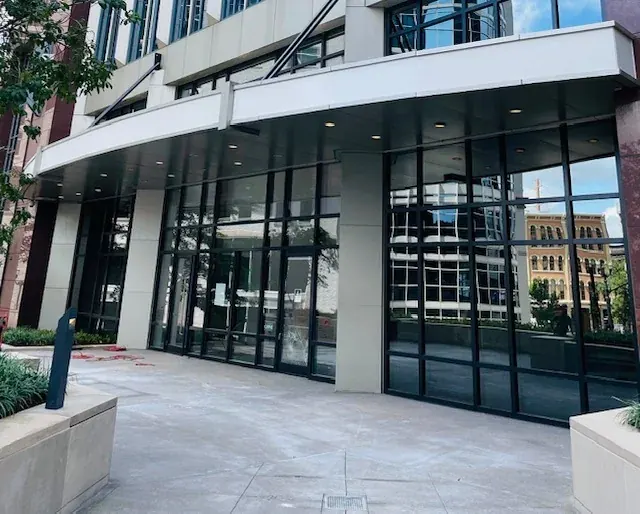 Commercial Aluminum Storefront
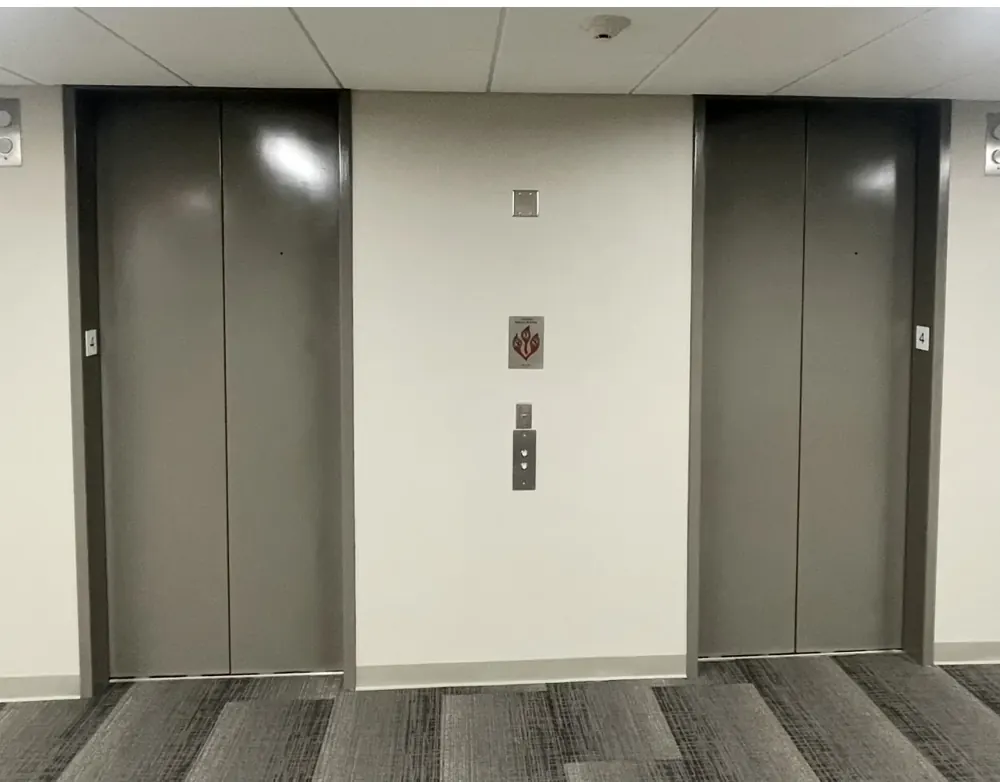
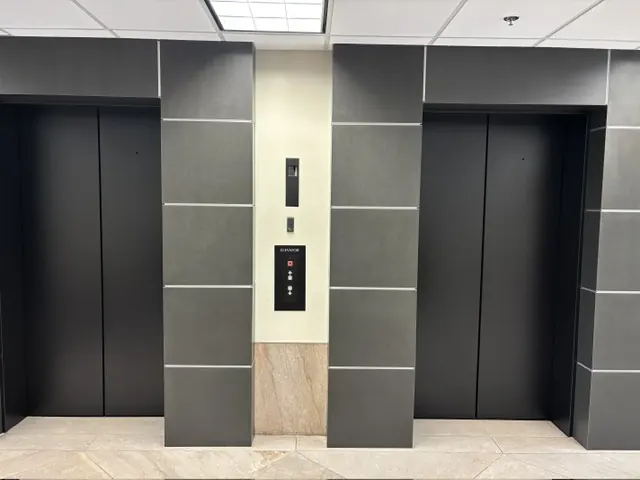 Elevator Doors and Frames
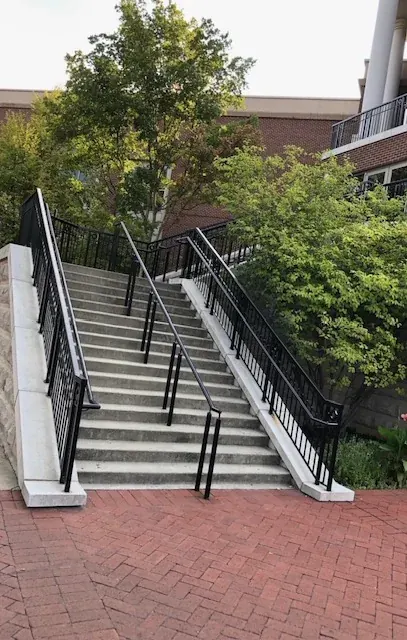 Exterior Stair Railing
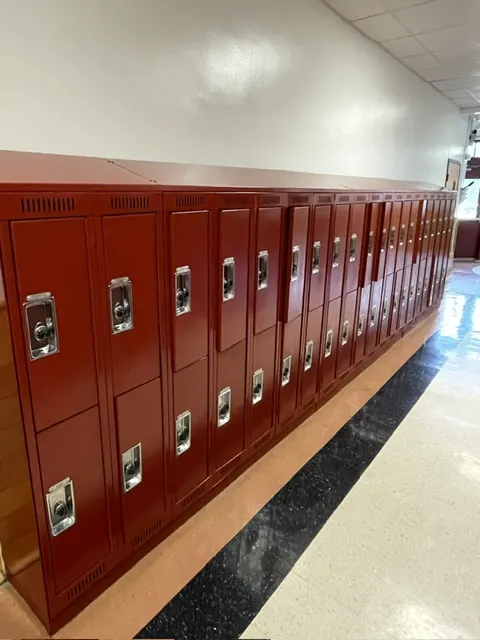 School and Athletic Lockers
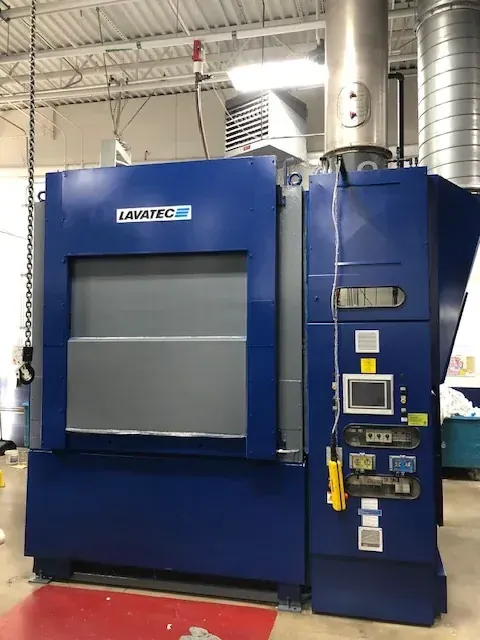 Industrial Machinery Refinish
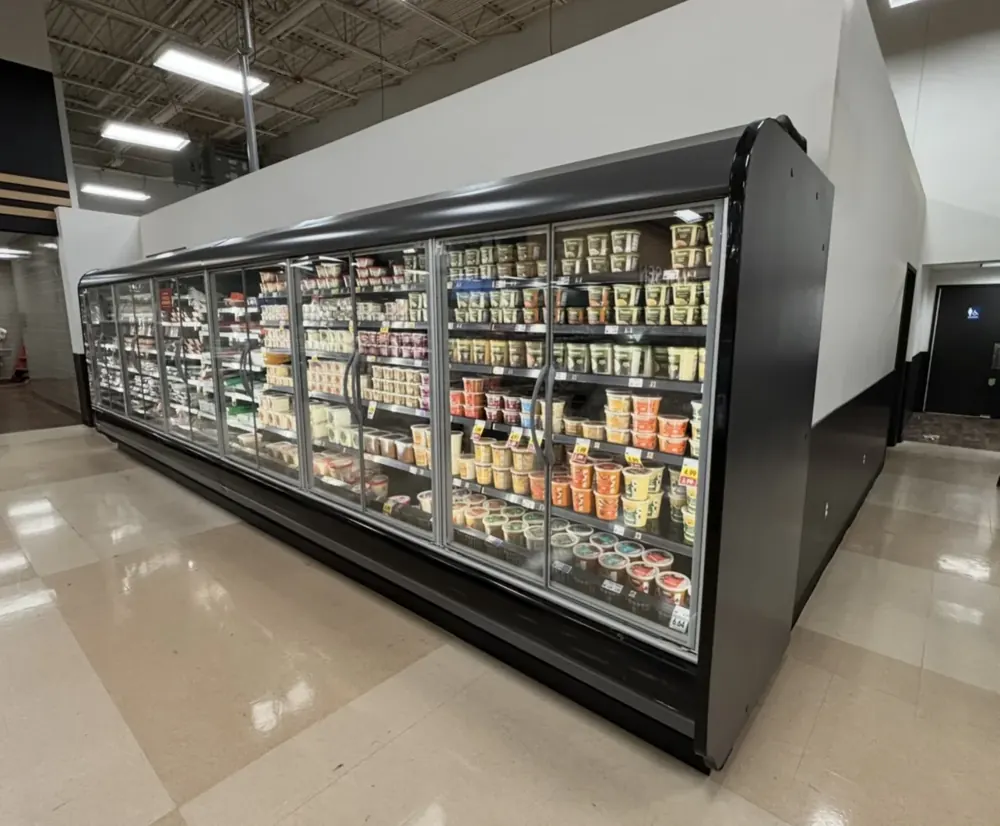 Refrigerated Grocery Store Cases
The surface, its condition, the location and the coating all affect which method works best. EPP selects the approach that fits the project rather than applying one process to everything.
Used where a finer, controlled spray pattern suits the surface, the material or the surrounding space.
Used for larger surfaces, heavier coatings and structural steel where coverage and film build matter most.
Used for detail work, touch-ups and areas where spraying is not practical.
Nashville-based, serving Middle Tennessee and select projects across the Southeast. Send the location, surface details and a few photographs, and EPP will recommend the right process.